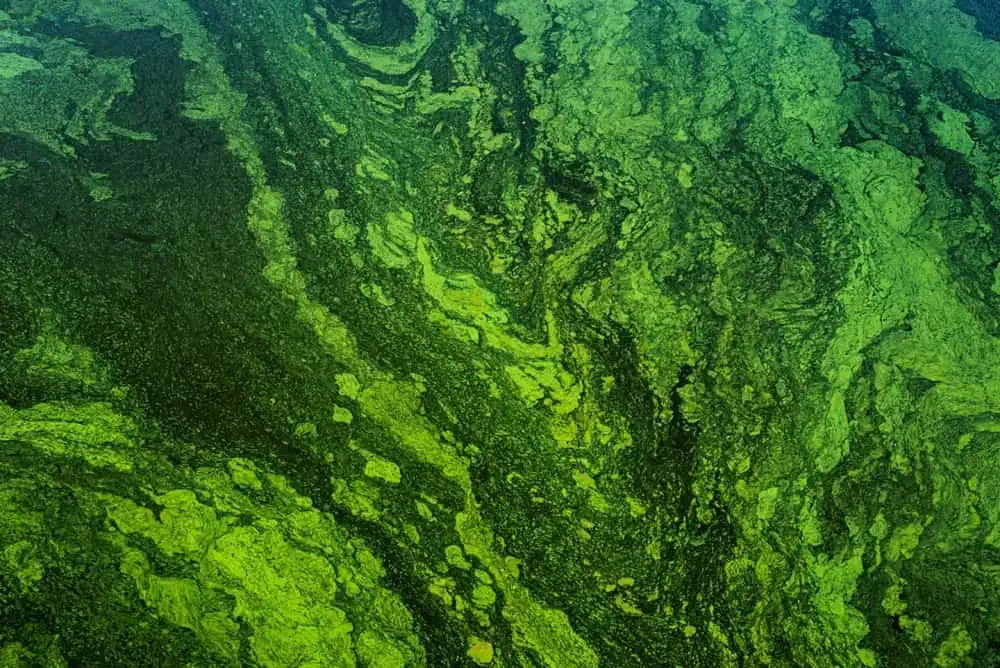
If you manage a Southern California property, you know the late fall warning signs: the first whiff of sulfur, the water turning murky. But that cloudy water isn’t just an aesthetic problem—it’s a financial liability.
Every week you delay critical fall pond maintenance, you are adding thousands to your future dredging costs.
We’re here to explain why waiting for the cold weather to “stabilize” the problem is the most expensive mistake you can make.
If you manage a pond on a residential, HOA, or commercial property, fall is the most crucial time to take action. Ignoring maintenance now can lead to algae blooms, cloudy water, and foul odours once temperatures rise again.
At Lake Management Inc. (LMI), we help property owners keep their ponds clean year-round through professional pond cleaning services that focus on prevention rather than emergency fixes.
Summer is tough on ponds—especially in Southern California. High temperatures accelerate algae growth, speed up organic decay, and turn your pond into a biological pressure cooker long before fall arrives. Once the cooler season hits, a mix of wind, rain, and falling leaves creates the perfect storm for nutrient overload and sudden water quality decline.
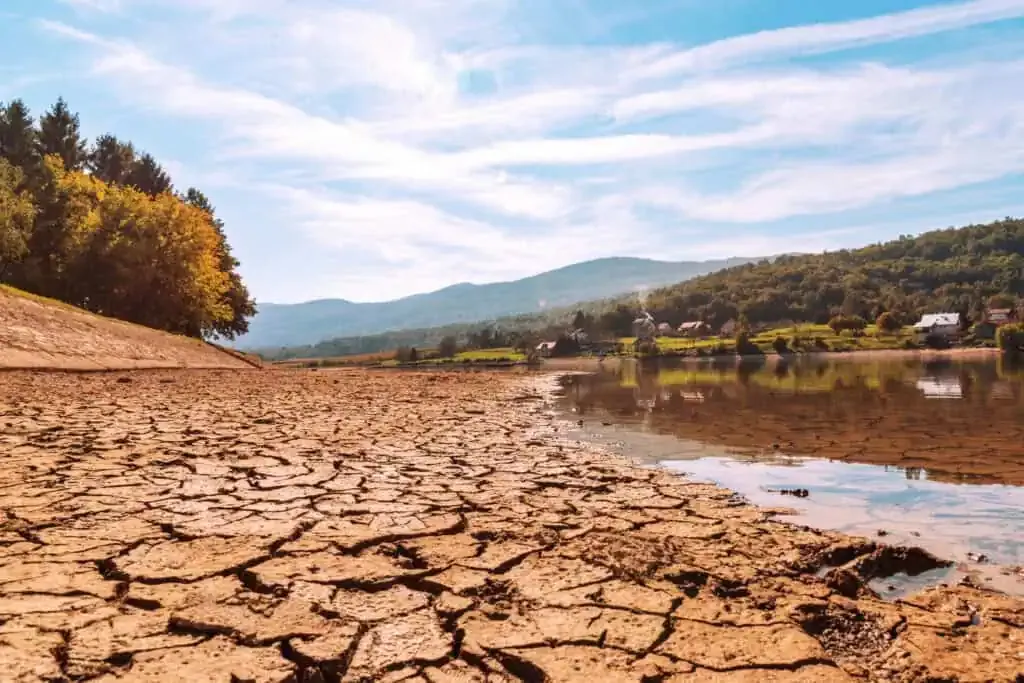
Southern California adds its own challenges. Our ponds endure repeated drought cycles, rapid temperature swings, and dry Santa Ana winds that blow debris directly into the water. That debris sinks within days and begins decomposing, forming a nutrient-rich layer that releases methane, nitrogen, and other gases. As this process accelerates, dissolved oxygen quickly drops. Most fish become stressed when oxygen levels fall to 2–4 mg/L, and mortality often occurs below 2 mg/L—long before winter officially begins.
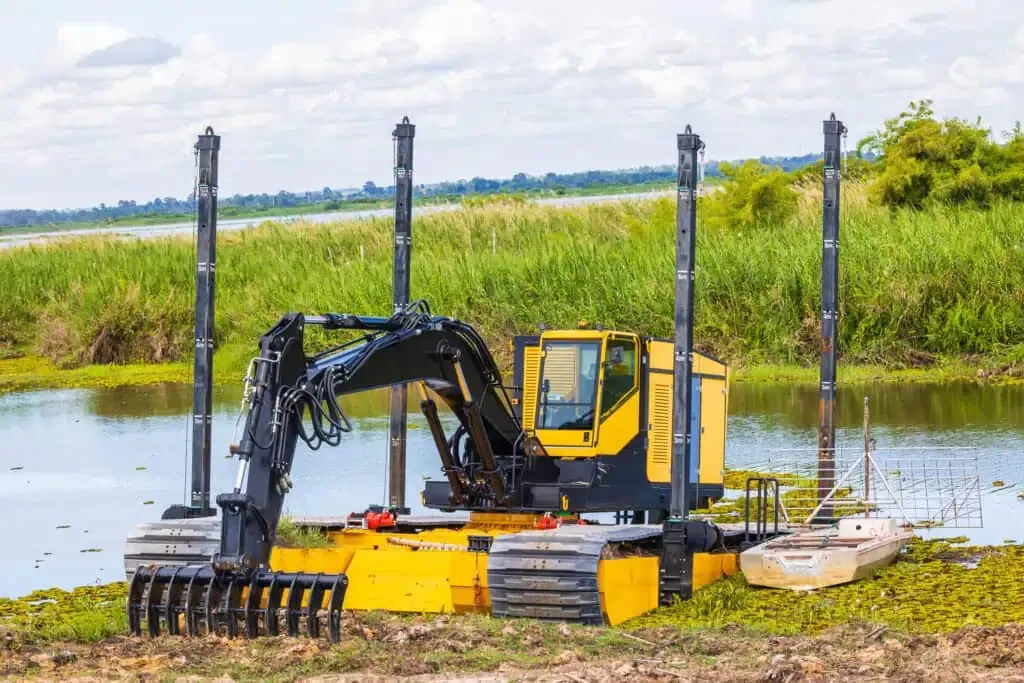
This is where proper fall maintenance matters. Every leaf, blade of grass, or dead algae cell that settles at the bottom contributes to a compacting sediment layer. Without proactive aquatic equipment and aeration services this layer traps gases, depletes oxygen, and sets the stage for a severe spring algae bloom as soon as temperatures rise in spring. Proper sediment removal and dredging breaks this cycle and restores healthier pond conditions.
To prevent this cycle, fall is the ideal time to assess your pond’s health through:
Aeration system inspections that stabilize oxygen levels
Water quality testing to monitor nutrient imbalances
Debris removal and surface cleaning before material can sink
Pond ecosystem management to restore biological balance
Left unmanaged, the math is simple but unforgiving: more debris = more decomposition = more oxygen loss. That’s why proactive fall maintenance is essential for preventing spring algae problems, preserving fish health, and protecting the long-term stability of your pond.
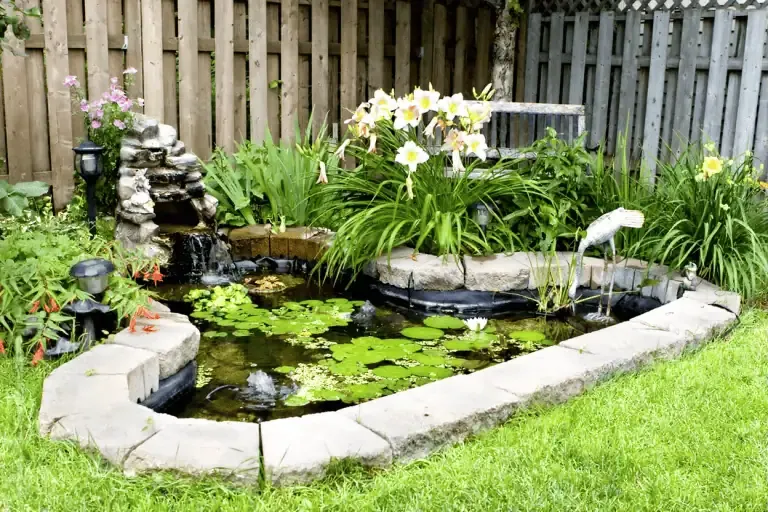
Delaying necessary pond care is the most expensive mistake property managers make. The cost of emergency restoration is almost always double that of preventative maintenance.
The accepted standard in stormwater management is that sediment removal is needed when a pond’s volume is reduced by accumulated sediment to 50%. However, by that point, you’ve lost most of your water quality. The shortened residence time means beneficial bacteria cannot keep up with nutrient processing.
Case Study: Riverside HOA Pond Sediment Removal
Result: By waiting, the property manager paid nearly double the preventative cost and dealt with weeks of resident complaints about the smell.

Southern California ponds face unique challenges that accelerate degradation in the fall.
Critical Fall Pond Problems
Call us now and schedule your pond maintenance service.
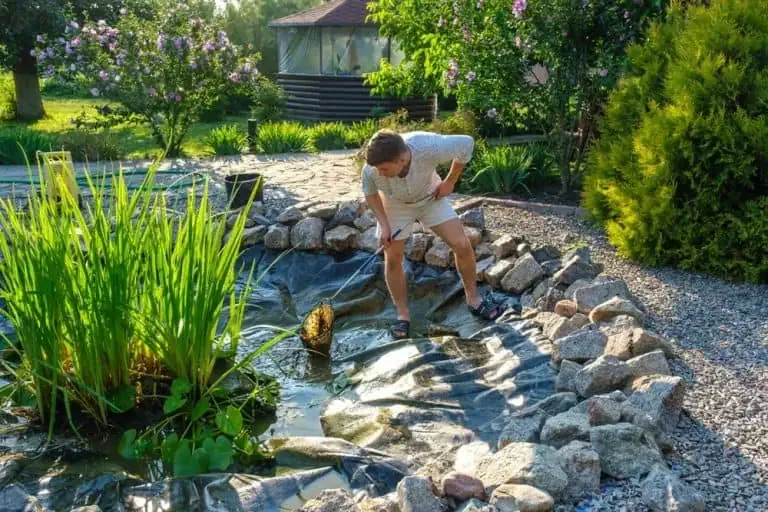
Yes, attempting to clean your pond using DIY methods often leads to severe secondary problems. We receive calls every December from property owners who tried this and amplified their issues.
The Dangers of DIY Pond Care
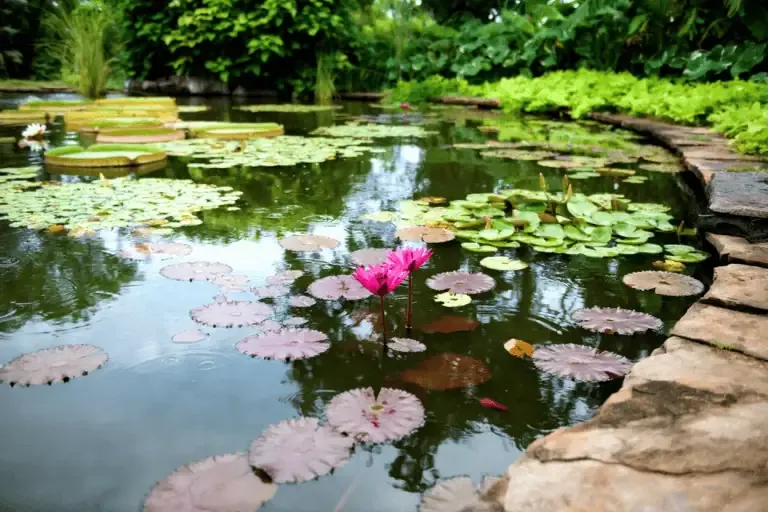
At Lake Management Inc., we don’t just clean the surface and call it done. Our approach focuses on eliminating the source of problems rather than masking symptoms with chemicals.
Fall maintenance begins with surface clearing and skimming, but our process goes beyond removing visible leaves.
We remove floating debris before it sinks and decomposes—a key step for controlling nutrient buildup. Early debris removal can reduce sediment accumulation by 40–50% compared to ponds that are not maintained regularly.
Sediment management means we actually measure what’s at the bottom using depth gauges and sediment core samples to evaluate:
California’s clay-rich soils compact faster than sandy soils. For example, a 4-inch layer of soft sediment in September can harden into a 3-inch layer by January, which then takes three times longer to remove. Proper timing prevents unnecessary labor and expense.
Aeration and circulation checks ensure water movement and oxygen levels remain stable throughout fall and winter
Fish need 5–6 ppm of dissolved oxygen (DO) to stay healthy; water with DO levels below 2 ppm cannot support fish life.
We test DO levels at multiple depths and times of day to verify:
These checks help maintain consistent oxygen levels and reduce winter stress on fish populations.
Water testing identifies the specific nutrient imbalances that contribute to algae or odor problems.
We measure:
This data allows us to create a targeted treatment plan instead of using one-size-fits-all solutions.
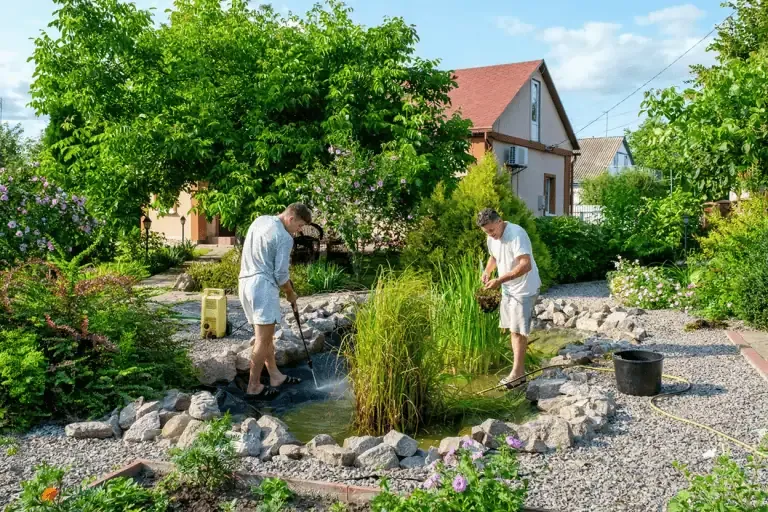
The best way to manage pond cleaning costs is to prevent major problems from developing. Here are the four strategies that work:
Install Continuous Aeration: Constant water movement keeps dissolved oxygen levels stable and slows sediment accumulation by preventing particles from settling long enough to compact.
Trim Perimeter Vegetation: Overgrown edges shed debris. Keep vegetation trimmed back at least 3 feet from the water’s edge.
Schedule Quarterly Preventative Cleanings: Regular visits keep debris under control year-round and cost half what emergency restoration does.
Use Cold-Water Beneficial Bacteria: Consistent monthly treatments with strains formulated for fall temperatures can reduce sediment accumulation by 60-70% over a single season.
The critical window is before California’s rainy season begins.
In Southern California, that typically means getting services completed by Mid-November at the latest. Once heavy rainfall hits, nutrient-rich runoff accelerates algae growth and stirs up settled sediment, making everything exponentially harder to treat.
If your pond already shows signs of the sulfur odor or murkiness, it’s not too late to act.
An emergency fall cleaning restores oxygen balance and protects fish health through the colder months—just be prepared for a cost that is 50-75% higher than preventive maintenance would have been.
Don’t let your pond become a financial liability. Contact us today to secure your preventative fall maintenance slot and protect your investment.
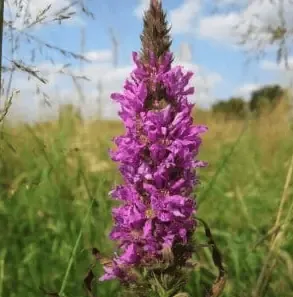
Maintaining control over pond weeds can be a challenging task. The first step to finding a suitable solution…
Schedule your fall cleaning before mid-November, ideally completing services before California’s rainy season begins. For larger systems like HOA ponds, consider two inspections: one in late September or early October to catch problems early, and another in mid-November to verify everything is ready for winter.
Small ponds can accumulate sediment at rates of nearly 3 centimeters (over an inch) per year. This might not sound dramatic, but it compounds annually into thick, compacted sludge that becomes exponentially more expensive to remove over time.
Key warning signs include a sulfur-tinged odor, cloudy water, visible muck at the bottom, and dissolved oxygen levels below 5 mg/L. If you notice these signs, you have a 2-3 week window before the problem escalates into a full restoration project, especially once the rainy season begins.
DIY cleaning often makes problems worse. Disturbing bottom sediment without proper technique releases trapped nutrients back into the water, triggering massive algae blooms within two weeks. Store-bought chemicals can also kill beneficial bacteria that naturally balance your pond, creating a dependency on chemical treatments.

Hi, I'm Warren Glenn, an environmental specialist with a passion to water quality management and pond maintenance. I love sharing tips and insights to help you keep your aquatic ecosystems healthy and thriving.
Fill out our contact form and we’ll get back to you with an obligation free quotation.
By clicking “Submit”, you are signing up to receiving emails from us. You can unsubscribe whenever you like. SMS rates may apply.
Got Questions? Reel us in!
By clicking “Submit”, you are signing up to receiving emails, and text messages from us. You can unsubscribe whenever you like. Cell phone rates may apply.
Join our mailing list and receive special offers and important information regarding the water feature industry, directly to your email.
By clicking “Submit”, you are signing up to receiving emails, and text messages from us. You can unsubscribe whenever you like. Cell phone rates may apply.