When deciding between adding a lake or a pond to your property, it’s important to weigh both your personal preferences and the intended use of the water feature. A lake offers expansive recreational opportunities but generally requires more upkeep, while a pond provides a tranquil setting with simpler maintenance.
Both options come with unique advantages and challenges that can impact your property’s value, aesthetic appeal, and long-term goals. So, which one is right for you? Let’s break down the differences to help you make an informed choice.
Though both are bodies of water, lakes and ponds differ significantly in size, depth, and ecological role. When choosing a lake vs pond for your property, it’s important to understand these differences. Lakes are larger and deeper, often supporting diverse ecosystems, while ponds are shallower and generally more manageable.
If you’re contemplating a lake or pond for your yard, think about the pros and cons of lakes and ponds, such as maintenance needs and wildlife attraction.
A lake may provide a stunning focal point, but it can come with higher costs, as seen in a lake vs pond cost comparison. Conversely, a pond can offer a charming landscaping feature without the extensive investment, making the pond vs lake for landscaping a significant consideration for homeowners.
A lake vs pond comparison often comes down to how much space you have, your budget, and your goals for recreation or landscaping.
When comparing lakes and ponds, you’ll find that their size and depth greatly influence their ecological dynamics and usability for recreational activities.
Lakes typically span larger areas and can exceed depths of 20 feet, supporting diverse fish species, aquatic vegetation, and recreational uses. This depth helps maintain cooler temperatures and oxygen levels, beneficial for fishing and swimming.
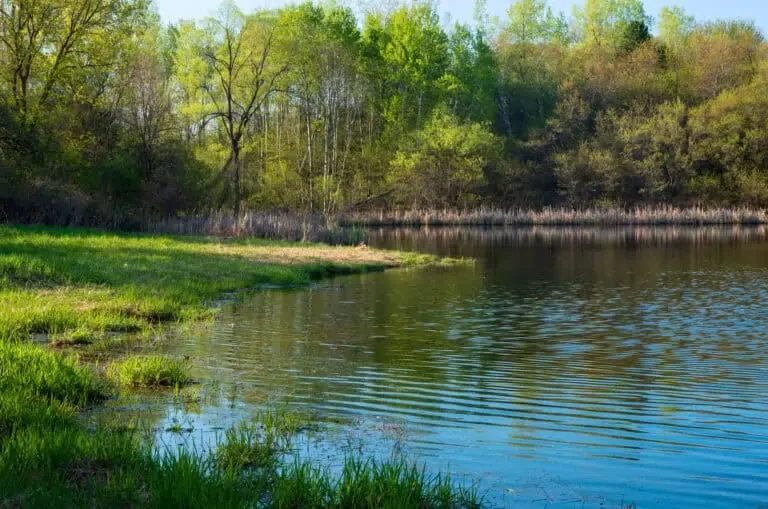
In contrast, ponds are smaller, often less than 10 acres, and usually no deeper than 10 feet. Ponds’ shallow waters often warm more quickly, which can limit certain fish species but encourage plant growth and attract a variety of wildlife
Depending on your property’s purpose, whether it’s for fishing, swimming, or wildlife observation, understanding these size and depth differences is essential in making an informed choice.
A lake and a pond can look similar, but they perform very differently. Get a custom evaluation to understand which one truly fits your space.
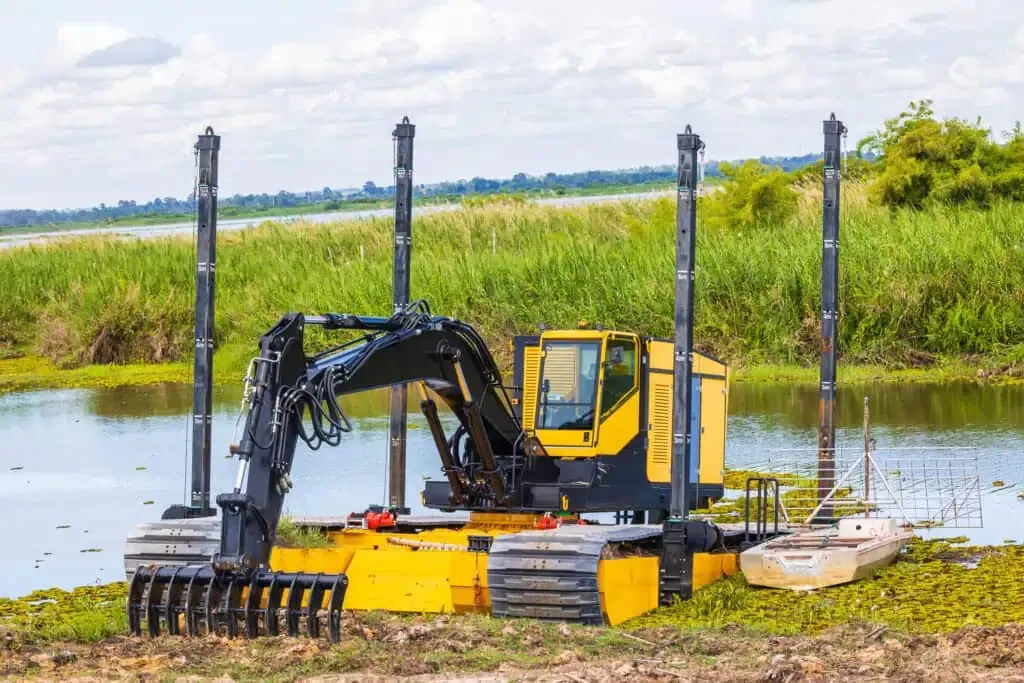
Maintaining a lake often demands more effort and resources compared to a pond due to its larger size and complex ecosystem.
Lakes require consistent monitoring of water quality, fish populations, and vegetation growth, which can become time-consuming. In contrast, ponds typically need less intensive care.
Here are some key maintenance considerations:
Understanding these differences can help you choose the right water feature for your property.
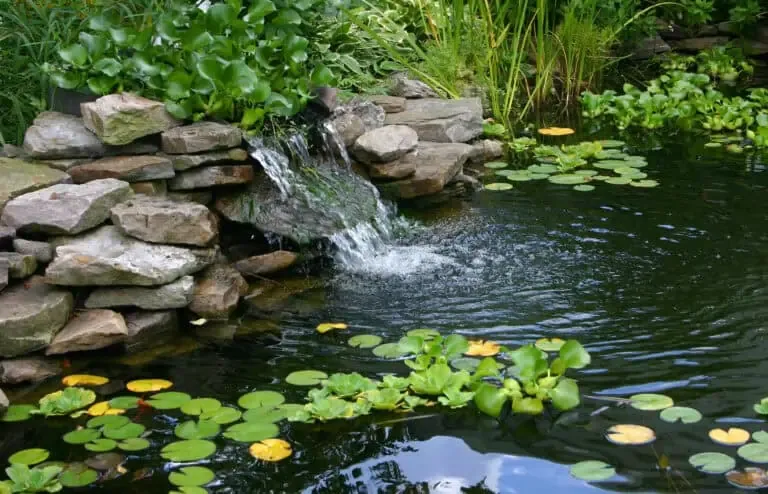
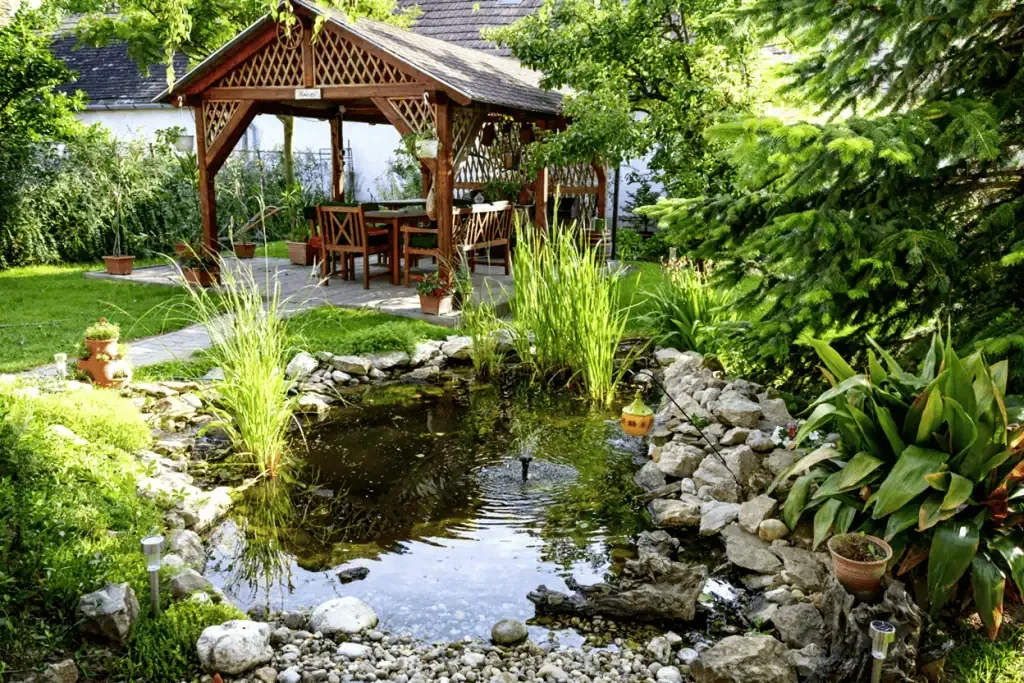
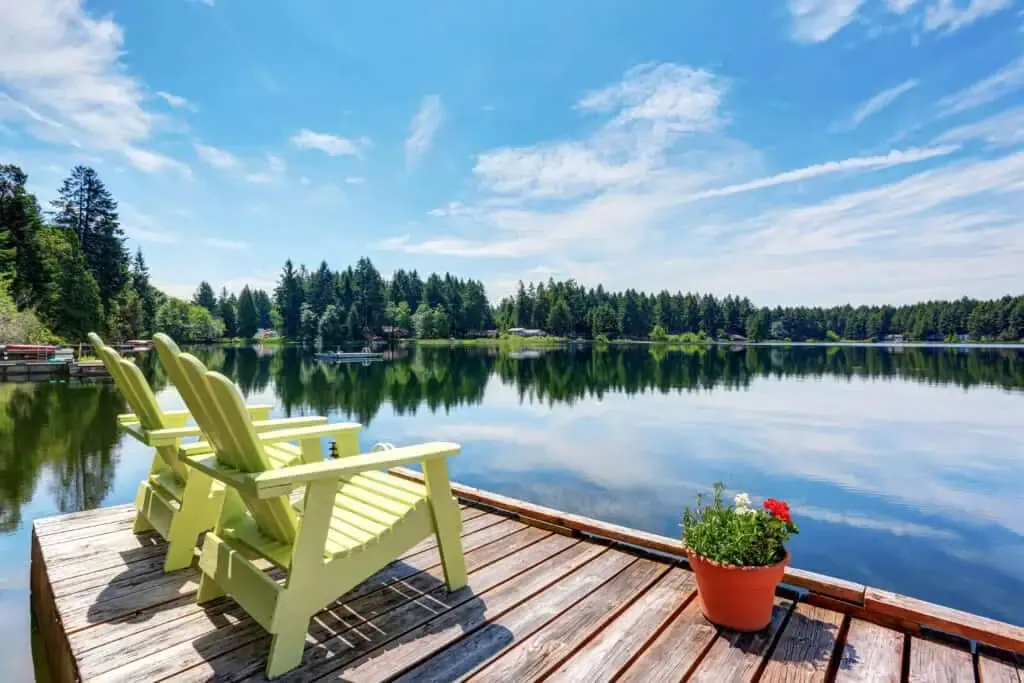
While both ponds and lakes can enhance the visual appeal of a property, their differing sizes and characteristics create unique aesthetic experiences that cater to various preferences. Ponds, often smaller and more intimate, can provide a cozy atmosphere, perfect for gardens or secluded spaces.
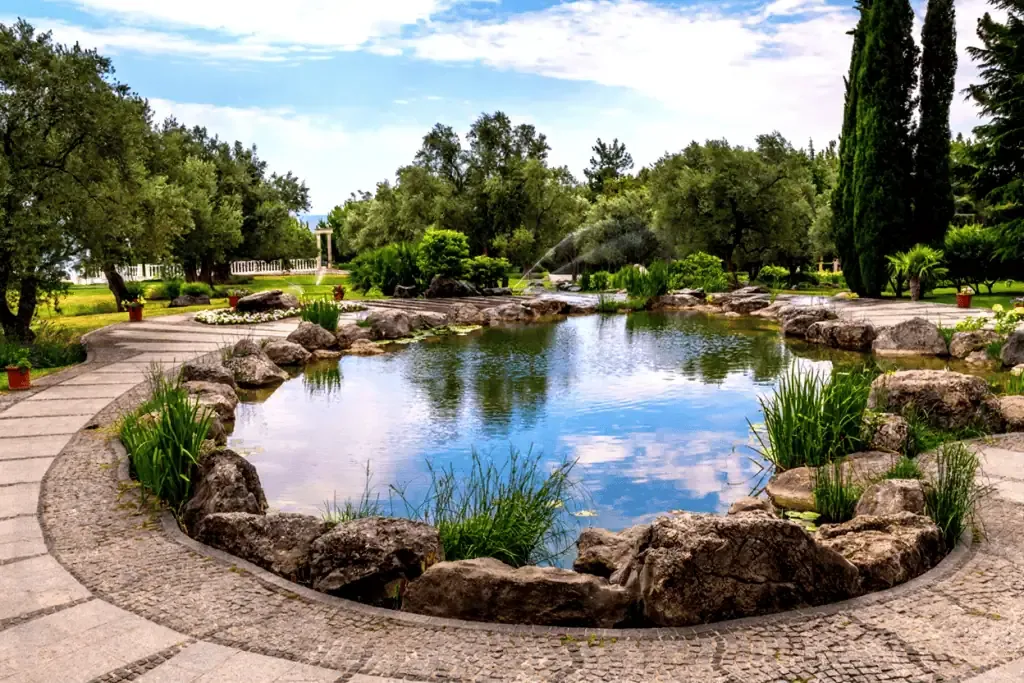
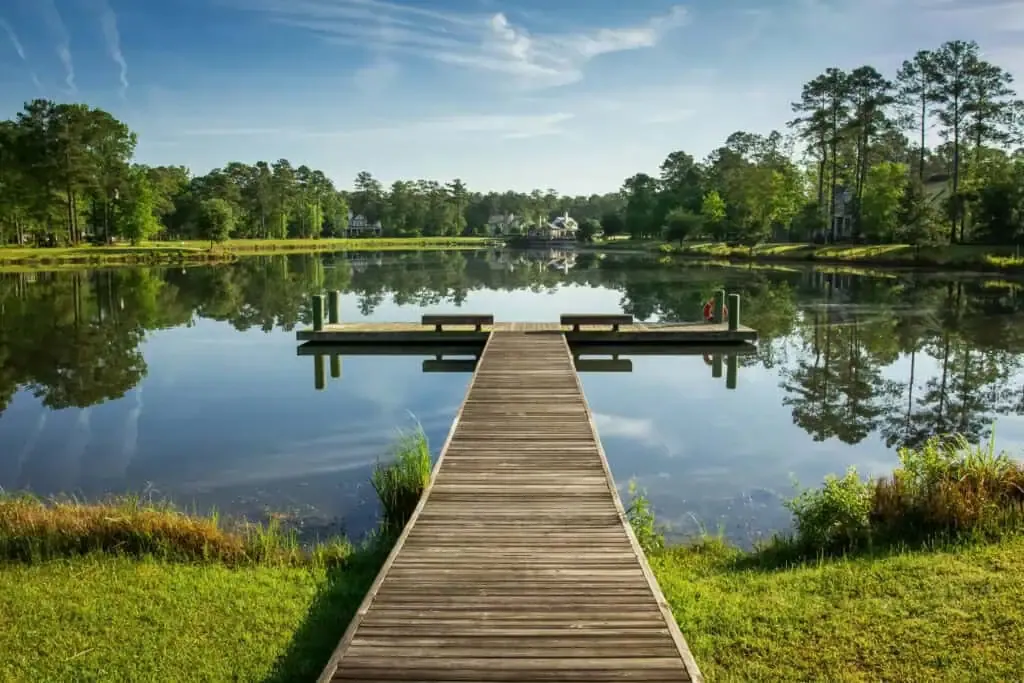
Lakes, on the other hand, offer a grander scale, often becoming a focal point in the landscape. Their expansive surfaces reflect the sky and surrounding scenery, inviting recreational activities and wildlife.
Your choice comes down to whether you prefer the intimate charm of a pond or the grand scale and versatility of a lake; each adds distinct beauty to your property.
The aesthetic appeal of ponds and lakes can vary significantly. These differences also impact the costs involved.
Factors such as size, excavation, construction materials, and upkeep all play an important role in your investment decision. Ongoing maintenance is a key consideration for both options.
When considering a pond or lake for your property, you should keep the following cost factors in mind:
Understanding these factors can help you make an informed financial decision.
Need Bi-Weekly Or Annual Lake Management Services? Ensuring our clients water features are functioning at peak performance requires…
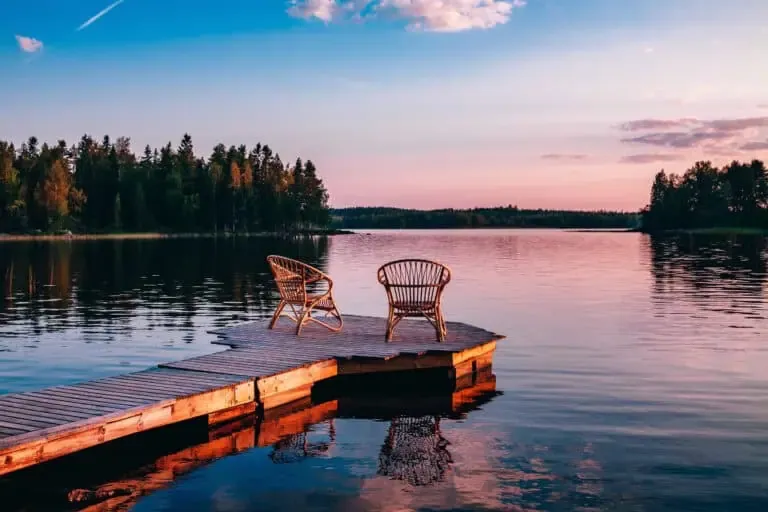
Choosing between a pond and a lake hinges on your specific property goals. Each option offers distinct benefits and challenges that can align with your vision for the land. If you’re aiming for a tranquil retreat, a pond could provide a serene environment, perfect for fishing or relaxation. Ponds are easier to maintain and can enhance the aesthetic appeal of your property.
On the other hand, if you envision a larger recreational space for activities like boating or swimming, a lake may be the better choice. Lakes generally require more land and investment but can offer greater biodiversity and recreational opportunities.
Ultimately, the choice between a lake vs pond depends on your property goals, lifestyle, and budget. If you value recreation and biodiversity, a lake may be ideal despite higher costs. For a peaceful retreat with simpler upkeep, a pond is often the best fit – for example, see the real costs of a koi pond.
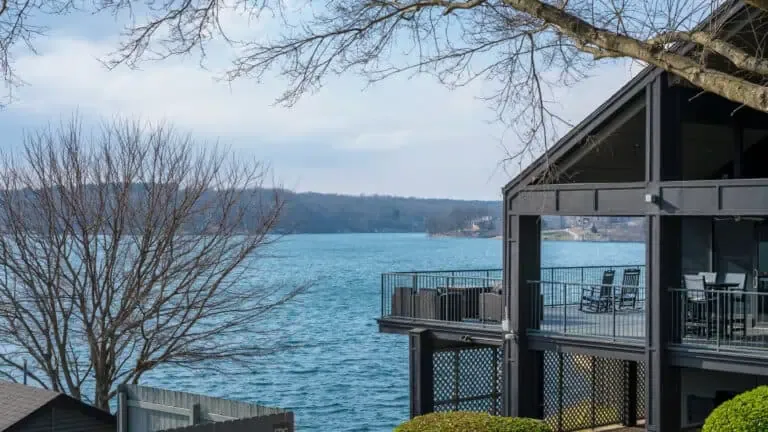
Ultimately, the decision between a lake and a pond depends on your personal preferences and property goals. If you value recreational activities and a diverse ecosystem, a lake might be the right fit for you, despite its higher maintenance and costs. On the other hand, if you prefer a tranquil setting for relaxation and simpler upkeep, a pond could be ideal.
Weigh your options carefully to guarantee your choice enhances your property and aligns with your lifestyle.
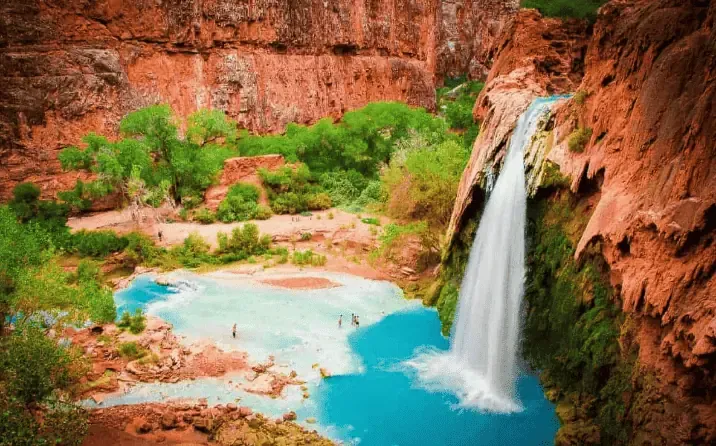
The Most Beautiful Lakes In Arizona Arizona is located in the southwestern region of the United States and…
Lakes and ponds support different types of wildlife depending on their size, depth, and ecological balance. Lakes often host larger fish and bird species, while ponds nurture smaller fish, amphibians, and a variety of plants. The choice between a lake vs pond can shift the biodiversity and ecosystem balance on your property.
Yes, you can stock fish in both lakes and ponds, but it’s important to consider the size, water quality, oxygen levels, and local regulations. Larger lakes can support a wider variety of sportfish like bass and trout, while smaller ponds are better suited for species such as bluegill or catfish. Always review fish stocking guidelines in your area for long-term success.
Building a pond or lake on your property often requires permits, but the exact legal requirements vary by location. Regulations may cover water rights, construction methods, dam safety, and potential environmental impacts. Always consult with local authorities or an environmental agency before beginning a lake or pond construction project.
Yes, having a lake or pond on your property can influence insurance premiums. Larger lakes often carry higher liability risks, such as boating or swimming accidents, while ponds may present fewer risks but still require coverage for flooding or maintenance issues. Consult your insurance provider to understand how a lake vs pond may affect your specific policy.
Both lakes and ponds can significantly boost property value by adding aesthetic appeal, recreational opportunities, and unique landscape features. However, they also bring added costs for maintenance, permits, and potential flooding risks. When comparing a lake vs pond investment, weigh the long-term value against the upkeep requirements to ensure it aligns with your financial and lifestyle goals.
Call now to chat to one of our consultants.

Hi, I'm Warren Glenn, an environmental specialist with a passion to water quality management and pond maintenance. I love sharing tips and insights to help you keep your aquatic ecosystems healthy and thriving.
Fill out the contact form below, and we’ll get back to you.
By clicking “Submit”, you are signing up to receiving emails from us. You can unsubscribe whenever you like. SMS rates may apply.
Got Questions? Reel us in!
By clicking “Submit”, you are signing up to receiving emails, and text messages from us. You can unsubscribe whenever you like. Cell phone rates may apply.
Join our mailing list and receive special offers and important information regarding the water feature industry, directly to your email.
By clicking “Submit”, you are signing up to receiving emails, and text messages from us. You can unsubscribe whenever you like. Cell phone rates may apply.